The Ultimate Setup Guide for Your Anthbot Genie 3000 Robot Lawnmower
Category: Electronics
Introduction
The Anthbot Genie 3000 robot lawnmower represents a new generation of consumer-grade autonomous yard care: compact, connected, and designed to quietly maintain a lawn with minimal human intervention. For homeowners who value a consistently trimmed lawn without the weekly chore, a robot mower like the Genie 3000 can be transformative. This article walks through how the Genie 3000 performs in real-world conditions, explains the step-by-step setup process, highlights what buyers typically care about, and offers practical troubleshooting and maintenance tips.
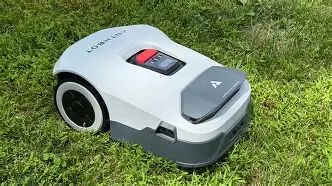
Product overview and real-world context
The Anthbot Genie 3000 positions itself as a mid- to high-end robotic mower aimed at medium-sized suburban yards. It emphasizes a balance between robust navigation, battery runtime, and smart features such as app scheduling, safety sensors, and mulching-cut capability. In everyday use, buyers want reliability, low noise, easy installation, predictable maintenance costs, and good after-sales support. This guide evaluates the Genie 3000 against those expectations and provides a practical walkthrough for getting the machine into consistent service.
Detailed product review and analysis
Design and build quality
The Genie 3000 has a low-profile, weather-resistant chassis, with a sloped top to shed rain and a compact footprint that fits under low branches and garden furniture. Its construction uses a combination of ABS plastic for the outer shell and reinforced polymer for the chassis — typical in its class to balance weight and durability. The charging dock is small and unobtrusive, and the mower's carry handle is comfortable for occasional relocation.
Navigation and boundary system
The Genie 3000 uses a hybrid navigation system: a boundary wire for precise perimeter control combined with onboard sensors (bump, lift, tilt, and ultrasonic proximity) and a basic GPS-assisted localization for improved mowing efficiency. In practice, the boundary wire remains the most reliable method to define exact no-go areas (flower beds, driveways). The GPS assistance reduces random overlapping paths in large lawns but does not eliminate the need for wire in complex perimeters.
Cutting performance
Equipped with a three-blade rotary cutting deck and adjustable cutting height, the Genie 3000 delivers consistent mulching cuts for regular maintenance. For residential lawns mowed frequently (every 2–4 days), it produces a uniform finish and returns clippings that act as natural fertilizer. Performance diminishes slightly on very tall or wet grass; the recommended workflow is to cut the lawn manually or reduce height before the first weeks of heavy growth or after prolonged rain.
Battery and runtime
Most owners can expect multi-hour runtimes on a single charge, adequate for lawns sized within the manufacturer's stated capacity. The Genie 3000 uses an advanced lithium-ion pack with intelligent charge/discharge management. Charging times are moderate, and the unit will return to its dock automatically when the battery is low. For very large yards, runtime is the primary limiting factor — users should plan for the mower to run multiple cycles over a day rather than complete the job in one long session.
Connectivity and app features
The companion app enables schedule creation, remote status monitoring, and basic geofencing. It also offers firmware updates and error reporting. Integration with home automation platforms may be limited compared to some competitors; buyers who prioritize deep smart-home integration should verify supported platforms before purchase. In day-to-day use, the app is handy for checking progress, starting or pausing jobs, and receiving safety alerts.
Find top-rated Electronics products at great prices.
Shop Amazon →Safety and theft protection
The Genie 3000 includes standard safety features: lift and tilt cut-off, obstacle detection, and a PIN code lock. Geofencing and theft alarms are available, though effectiveness depends on cellular or Wi‑Fi connectivity and how visible the unit is in the yard. For high-theft areas, owners may want to combine the mower's alarm with a discreet mounting strategy for the dock and to keep the device registered with the manufacturer for quick identification.
Maintenance and consumables
Maintenance is straightforward: regular blade checks and replacements, periodic deck cleaning, and battery care. Blade replacements are inexpensive and can be done without specialized tools. Owners should also inspect sensors and wheels for debris buildup, especially after autumn leaf fall or following prolonged wet conditions.
Pros & Cons
- Pros:
- Quiet operation suitable for early-morning or late-evening use
- Automatic scheduling and reliable mulching performance for frequent maintenance
- Compact dock and unobtrusive footprint
- Hybrid navigation reduces wasted passes on larger lawns
- Robust safety sensors and automatic return-to-dock
- Cons:
- Boundary wire installation required for complex perimeters
- Performance reduced on very wet or overgrown turf
- Limited deep smart-home integration compared to some rivals
- Initial setup can take several hours for first-time installers
Comparison table: Genie 3000 vs typical alternatives
| Feature | Anthbot Genie 3000 | Typical Boundary-Wire Mower | High-End GPS/SLAM Mower |
|---|---|---|---|
| Navigation | Boundary wire + GPS assist | Boundary wire only | GPS/SLAM, wire-free in many cases |
| Recommended lawn size | Medium (up to ~1,000–1,500 m²) | Small to medium | Large (1,500 m² and above) |
| Battery runtime | Multi-hour; auto-dock recharging | Shorter runtime on older models | Long runtime; quick-charge options |
| Setup complexity | Moderate (wire + app) | Moderate (wire) | Higher (calibration + mapping) |
| Noise level | Low | Low–medium | Low |
| Smart features | App scheduling, firmware updates | Basic scheduling | Advanced mapping, integrations |
| Price bracket | Mid-range | Low–mid | Premium |
Step-by-step setup guide
Before you begin: tools and planning
Preparation makes the setup faster and avoids common mistakes. Gather the following:
- Measuring tape or smartphone mapping app to estimate lawn area
- Small flags or garden markers for temporary marking
- Hammer or mallet for pegs
- Wire cutter/stripper and connectors if splitting the boundary wire
- Protective gloves and basic hand tools
1. Plan the dock location
Choose a flat, sheltered spot near an outdoor power outlet for the charging dock. The dock should be accessible from most of the lawn and placed so the mower can reach it without crossing flowerbeds or steps. Aim for a location with good Wi‑Fi signal if remote app features are needed. Leave at least one meter clearance on each side of the dock for smooth approach.
2. Prepare the perimeter
Walk the lawn and mark the outer edge with flags. Identify no-go zones (play areas, ponds, compost, vegetable beds) and any narrow gaps the mower should not attempt to enter. For sloped gardens, note areas steeper than the machine's rated incline — these should be excluded or handled separately.
3. Install the boundary wire
Lay the boundary wire along the marked perimeter. For most homeowners, surface-laying the wire and pegging it down is easiest for the first few weeks; the wire can later be buried 2–3 cm to conceal it. Keep the wire away from sprinkler heads and avoid tight loops that could confuse the mower.
For islands (flower beds) run the wire around the obstacle and maintain at least 30–40 cm clearance from the obstacle edge so the mower has room to approach and turn. Use connectors and junction boxes as necessary when routing wire around gates or property corners.
4. Power up and connect
Install the charging dock and connect it to mains power. Place the Genie 3000 on the dock and power it on. Follow on-screen prompts on the mower or in the app to pair the device and run initial calibration. Typical steps include setting cutting height, setting the clock and time zone, and selecting fence-wire sensitivity if offered.
Shop the latest Electronics picks on Amazon.
Browse Now →5. Run a short test
Run the mower on manual or test mode for a short session to verify boundary detection and obstacle response. Watch how it approaches the dock and how it handles narrow passages. Adjust wire placement or sensor settings if it sticks on certain features.
6. Schedule and refine
Set an initial mowing schedule via the app: frequent short runs (e.g., every other day) typically provide the best finish and reduce clumping. Over two to three weeks, observe the mowing pattern and adjust the schedule, boundary wire, or dock placement to eliminate missed patches and improve efficiency.
Common troubleshooting and tips
Even with a careful setup, issues can arise. Here are common problems and quick fixes:
- Mower won’t leave dock: Check the battery charge and confirm the schedule; ensure the dock wiring is intact and the boundary wire has continuity.
- Boundary detection failure: Inspect for wire breaks, poor connectors, or interference from nearby metal features. Re-stake the wire closer to the ground if surface-pegged.
- Excessive clumping: Shorten the mowing intervals or raise the cutting height slightly; clean the deck for smoother mulching.
- Frequent obstructions: Remove low-hanging branches, garden toys, and temporary obstacles; adjust ultrasonic or bump sensor sensitivity if the mower supports it.
- App won't connect: Confirm Wi‑Fi credentials, reboot the router, and check for firmware updates. Consider using a temporary phone hotspot during setup if home Wi‑Fi is weak at the dock.
Buying guide — what buyers typically care about
When choosing a robot mower, buyers usually prioritize a combination of practical performance attributes and long-term ownership considerations. The following checklist helps determine whether the Genie 3000 is a good fit for a given yard and family.
Lawn size and complexity
- Estimate lawn square footage. For mid-sized yards, the Genie 3000 strikes a good balance; for very large properties, investigate models with longer runtimes or faster recharging.
- Assess complexity: multiple islands, tight borders, or steep slopes increase setup time and may require more advanced navigation.
Noise and schedule flexibility
- Noise-sensitive neighborhoods benefit from a low-noise unit like the Genie 3000, which can be scheduled during early mornings without disturbing neighbors.
- Look for flexible scheduling and the ability to pause or override runs quickly through an app or manual switch.
Installation effort and ongoing maintenance
- Boundary wire installation is a one-time effort but requires time and precision. Consider professional installation if the yard is complicated.
- Check expected maintenance tasks: blade replacements, battery lifespan, and sensor cleaning frequency. Factor in the cost and availability of spare parts.
Safety and liability
- Verify safety credentials, such as automatic stop on lift and PIN protections.
- Consider additional fencing or temporary barriers if children or pets frequently access the area during mowing cycles.
Support and firmware updates
- Look for an active support channel and clear warranty terms. Firmware updates are important for feature improvements and safety fixes, so ensure the manufacturer provides regular updates.
- Read owner forums for real-world reports on reliability and support responsiveness.
Smart features and integration
- Decide how important deep smart-home integration is. The Genie 3000 offers app control and OTA updates but may not support every automation platform out of the box.
- Consider if GPS tracking or anti-theft subscriptions are worth the trade-off for added security in higher-risk neighborhoods.
Maintenance schedule and seasonality
For consistent performance, follow a simple maintenance routine:
- Weekly: Remove debris from blades and wheels; check for new obstructions.
- Monthly (during mowing season): Inspect blades for dullness and replace if necessary; clean sensors and charging contacts.
- Annually: Check battery health after the season, store the mower in a dry place for winter (if climate requires), and consider a professional service if battery capacity has noticeably dropped.
Conclusion
The Anthbot Genie 3000 robot lawnmower is a capable choice for homeowners seeking a quiet, low-maintenance solution for regular lawn upkeep. It balances reliable boundary-wire control with helpful GPS-assist features, producing a neat, consistent finish when installed and tuned correctly. While the initial setup demands time and planning, the long-term convenience and time savings are compelling in real-world use — especially for those with medium-sized suburban lawns and a desire to reclaim time from yard chores. Buyers should weigh lawn complexity, desired smart-home integration, and long-term maintenance costs when deciding. With thoughtful installation and ongoing care, the Genie 3000 can become an unobtrusive, efficient member of the household's outdoor toolkit.