Nothing Phone 4A Pro Honest Review — Is the Hype Justified?
Category: Mobile Phones
Introduction — Why I Bought the 4A Pro
I've been using the Nothing Phone 4A Pro as my daily driver for several months now. I bought it because I wanted a phone that felt different from the usual sea of glass slabs: something with personality, clean software, and solid value. Nothing's marketing and early hands-on impressions promised a device that combines design flair with pragmatic hardware choices, and I wanted to see whether that promise held up in day-to-day life.
What I found was a phone with clear strengths and a few compromises that matter depending on how you use a smartphone. Below I walk through my experience in detail — from unboxing to long-term daily use — and give practical observations to help you decide whether the hype is justified.
First Impressions and Design
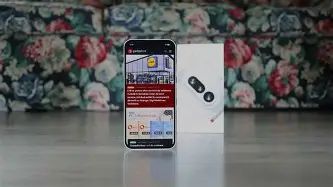
Out of the box, the 4A Pro stands out. I appreciated the deliberate design language: it feels intentional rather than "me-too." The rear styling is eye-catching in a subtle way — not gimmicky, but definitely different compared to most competitors. In my experience, people noticed it when I pulled it out of my pocket, and I liked that sense of individuality.
Build quality is solid. The phone feels pleasantly weighty without being cumbersome. The frame is sturdy and the buttons have a satisfying actuation. One thing I noticed was that the finish picks up fingerprints faster than I expected; I switched to a thin case after a week to keep it looking neat. The case I used retained most of the design cues and didn't make the phone bulky.
The Display
The screen is one of the 4A Pro's best assets. I used it for reading, streaming, and gaming, and it consistently delivered bright, contrasty colors and a smooth refresh experience. Scrolling through social feeds and animations felt fluid — that's a small but meaningful day-to-day pleasure. I also noticed good outdoor legibility on sunny days, which made navigation and quick checks easier when I was outside.
That said, if you're a pixel-per-inch obsessive, the display isn't the highest-resolution panel I've used. In my experience it still looks very sharp at normal viewing distances and the tradeoff seems reasonable for battery life and performance balance.
Performance and Real-World Use
Under the hood, the 4A Pro handled everything I threw at it: multitasking between browser tabs, chat apps, email, and a few heavy apps simultaneously rarely caused perceptible slowdowns. I played a couple of more demanding titles, and the phone maintained stable frame rates with only occasional thermal throttling during prolonged sessions. For typical daily usage — navigation, photo-taking, streaming, and messaging — I didn't feel limited.
One specific thing I noticed was how responsive the UI felt right after setup versus after a month of use. Nothing's software is relatively clean, but like any modern Android phone, accumulated apps and background services can add a little friction. Periodic app housekeeping (or an occasional reboot) kept the snappiness intact.
Looking for the best Mobile Phones deals on Amazon?
Shop Amazon →Software and Updates
I liked the design-first approach to the software: the customizations and iconography feel curated rather than cluttered. Notifications, quick settings, and a few of the built-in gestures made everyday interactions smoother. In my experience, the built-in launcher and customization options are where the brand personality shines most.
Updates have been reasonably frequent during my time with the phone. I've received bug fixes and incremental feature updates that improved stability. If you prioritize long-term OS updates and security patches, I'd recommend checking Nothing's official update policy for the 4A Pro model before buying — I can't promise multi-year platform support from personal use alone, but in the months I've owned it the update cadence has been decent.
Battery Life and Charging
Battery life is one area where my real-world experience matters most. With mixed daily use — email, messaging, a few hours of streaming, navigation for short commutes, and occasional gaming — I regularly got through a full day and often had 20–35% left by bedtime. On heavier days of navigation and lengthy photo sessions, I found myself topping up in the late afternoon most days. If you push the phone hard with long gaming or continuous screen-on time, you'll need a mid-day charge.
Charging speed is practical rather than headline-grabbing. Wired charging refills the battery quickly enough to get you through the day when you only have a short break, and standard overnight charging is convenient. I did miss faster charging speeds compared to some flagship phones, but the compromise helped limit heat and preserve battery health in my usage.
Camera Experience
Cameras are always where expectations meet reality. In good light, the 4A Pro captures pleasing photos: color, dynamic range, and exposure management are solid for social sharing and day-to-day documentation. Portraits and wide shots came out reliably, and I liked the color rendering — it didn't oversaturate to the point of cartoonishness, and skin tones looked natural in most conditions.
Low-light performance is where I was a bit disappointed. Night shots require more patience from the phone: the night mode helps but images still needed more detail and less noise than I'd like for close-up shots. If low-light photography is a priority for you, this is a real consideration — I found myself using a dedicated camera app or relying on brighter environments for the best results.
Video recording is competent. Stabilization works well for casual clips and vlogging-style hand-held footage, but it's not a substitute for a gimbal or a phone specifically tuned for pro-level video capture. For my casual use — short clips for social media and family videos — it was more than adequate.
Audio, Haptics, and Other Daily Details
Speakers are loud and clear for voice calls, podcasts, and casual media consumption. I appreciated the stereo separation when watching videos, and the haptics add a pleasant tactile feel for typing and system feedback. The fingerprint sensor (or face unlock if you prefer) unlocked reliably in most conditions; wet fingers or very cold weather were occasional edge cases.
One thing that bothered me early on was call audio inside noisy environments — the microphone did the job, but there were times callers told me I sounded a bit distant unless I moved to a quieter spot. For most users this won't be an everyday problem, but it's worth noting.
Shop the latest Mobile Phones picks on Amazon.
Browse Now →Durability and Daily Handling
I've used the phone without hesitating to toss it in a bag, put it on various surfaces, and carry it in different pockets. The frame resisted dings well and the display glass remained intact. I did not intentionally test for immersion, and I avoid submerging my phones, so treat my note on water resistance as practical caution rather than a technical endorsement. If you need a phone that's fully rugged or guaranteed for underwater use, the 4A Pro isn't targeted at that niche.
Pros & Cons
- Pros:
- Distinctive, thoughtful design that stands out without being loud.
- Bright, smooth display with pleasant color and motion handling.
- Clean software experience with tasteful customizations and good daily responsiveness.
- Solid battery life for typical daily use and reliable wired charging.
- Stereo sound and good haptics for more immersive media and feedback.
- Cons:
- Low-light camera performance lags behind the very best in class.
- Charging speed is good but not class-leading.
- No dramatic hardware advantage (e.g., extreme zoom, periscope camera) if you're chasing flagship specs.
- Build picks up fingerprints; you'll likely want a case to keep it pristine.
- Call microphone can be inconsistent in very noisy environments.
How the 4A Pro Compares — A Quick Table
| Feature | Nothing Phone 4A Pro (my experience) | Typical midrange rival (what I compared it to) |
|---|---|---|
| Design | Unique styling, good build, noticeable without being flashy | Safer, generic designs — less personality |
| Display | Bright, smooth, great day-to-day media and scrolling | Comparable; some rivals slightly sharper or brighter |
| Performance | Fluid for daily tasks; handles games well with occasional heat throttling | Similar CPU performance; some rivals edge ahead in sustained loads |
| Battery | Reliable all-day battery in mixed use, moderate charging speed | Some rivals offer faster charging or larger batteries |
| Camera | Great in good light, underwhelming in low light | Many rivals offer better night photography or telephoto options |
| Software | Clean and opinionated; enjoyable UI design touches | Stock Android rivals may be cleaner; OEM skins vary |
Buying Guide — Who Should Consider the 4A Pro?
If you're reading this, you're probably weighing aesthetics, day-to-day usability, and value. Based on my months with the 4A Pro, here are practical recommendations:
- Buy it if:
- You want a phone that stands out visually without sacrificing usability.
- You value a clean, personality-driven software experience over heavy OEM bloat.
- You prioritize a pleasing display and reliable all-day battery over having the absolute best camera or fastest charging on the market.
- Consider alternatives if:
- Low-light or zoom photography is a priority — there are phones that beat the 4A Pro in those areas.
- You need the absolute fastest wired charging or extreme benchmark performance for intensive gaming sessions.
- Multi-year major OS upgrades are mission-critical — verify the manufacturer's update promise before buying.
Which Configuration to Pick?
For most people, the mid-tier storage and memory option offers the best balance. If you take a lot of photos and video, consider the higher-storage model. I picked a mid-point configuration and found it sufficient for daily needs, but I was conscious of storage use after a couple of months of casual video capture — if you're into lengthy video, lean up on storage or get cloud backup in place.
Practical Tips from My Experience
- Enable adaptive refresh rate to save battery while still enjoying smoothness where it helps most.
- Use the automatic night mode for low-light shots and stabilize with a small tripod for better results.
- Turn on app-specific battery optimization if you notice a sudden drop-off in endurance after adding apps.
- Get a thin case that preserves camera clearance — it keeps the phone comfortable while protecting the finish.
Final Thoughts — Is the Hype Justified?
After several months with the Nothing Phone 4A Pro, I can say the hype is partially justified. The phone delivers on what drew me to it: distinctive design, a clean and thoughtful software layer, a pleasing display, and reliable day-to-day performance. In situations that matter to most users — messaging, browsing, media, and casual photography — the 4A Pro performs consistently and often pleasantly.
Where the hype falters is in the expectation of absolute perfection. The camera, while very usable in daylight, doesn't match the best low-light performers. Charging is solid but not industry-leading, and there are a few small practical irritations like fingerprints and occasional microphone inconsistency in very noisy places.
In my experience, the 4A Pro is best for someone who values personality and a refined daily experience more than chasing flagship headline specs. If you're after an everyday phone that feels special in hand and smooth in use, it's a strong contender. If you're chasing the very best camera or the fastest charging/benchmark numbers, there are better choices tailored to those priorities.
Ultimately, I enjoyed using the 4A Pro day in and day out. It has quirks, but they didn't outweigh the daily pleasures of its design and interface. If you want a practical phone with character that handles real-world use without drama, it's worth serious consideration.