Is the 6 Series R646 2021 Qled Still Good in 2026? Long-Term Review
I bought the 6 Series R646 2021 QLED when it first launched and have lived with it as my primary living-room TV ever since — through movie nights, sports seasons, console generations, and a handful of firmware updates. Over the years I've used it daily, and in the last few months I did a fresh round of focused testing to see how it holds up against newer TVs available in 2026. What follows is my honest, hands-on long-term review: the things I still appreciate, the disappointments that became more obvious over time, and whether it still makes sense to buy a 2021 midrange QLED today.
Quick overview: where this TV sits
The 6 Series R646 was Samsung's midrange QLED family in 2021. In my experience it offered the hallmark QLED advantages of vivid colors and solid upscaling, with a mainstream price that made it attractive for living rooms and shared spaces. I selected a 55" unit, which is the size I use for most of my testing, and it's been hooked up to a streaming stick, a set-top box, and two consoles at various times.
First impressions and long-term ownership experience
When I first set the R646 up, I liked the picture straight away: the menus were snappy, colors felt punchy out of the box, and the design was clean enough that it didn't dominate the room. Because I keep my TV on multiple inputs, the smart platform stability and input switching mattered to me — the R646 handled that without drama for the first year.
Over the subsequent years, however, my priorities shifted a bit. I began to notice the things that only show up after heavy use: how the panel handled dark scenes several months in, whether the smart platform kept getting timely updates, and how the audio held up after the initial “wow” factor of the screen faded.
Picture quality: what I liked and where it aged
In my experience the R646 still presents a pleasing image for daytime TV and brightly lit rooms. Colors remain saturated and the QLED processing keeps upscaling decent for lower-resolution content. For sports and most streaming shows I watch, the brightness and color pop still make the experience enjoyable.
That said, a few long-term issues emerged:
- Black level and contrast: The panel is a VA-type midrange QLED, so blacks are good but not perfect. After a couple of years I noticed slightly shallower shadow detail in very dark scenes compared with modern panels tuned for deeper local dimming. This shows up in movies with heavy night scenes — the TV still performs well, but it doesn't match newer high-end models or even some entry-level OLEDs when it comes to absolute black and shadow layering.
- Blooming and haloing: With mixed bright/dark content (think bright subtitles over dark backgrounds), a faint halo remains perceptible. It never became distracting for everyday use, but it's more noticeable to my eye now than it was fresh out of the box.
- Color stability: I appreciated that colors stayed rich over the years; I haven't seen any clear evidence of color shift or panel burn-in, which is one of the durability advantages of this QLED design compared with OLED.
- HDR handling: The R646 supports HDR formats available at launch and does a competent job with HDR10 content. However, peak brightness for HDR highlights isn't as high or as nuanced as some newer midrange panels with improved local dimming algorithms. HDR highlights still look impressive in many scenes — but they aren’t as “punchy” as what you’ll see on the latest models.
Smart platform, updates, and apps
One area where the R646 has aged gracefully is the smart platform. Samsung’s OS (the Tizen-derived interface it runs) has been stable. In my experience the OS received the standard updates for a couple of years and remained responsive for basic streaming. That said, the cadence of meaningful feature updates slowed after the first two years — I didn’t get the newer bells and whistles that appeared on 2024–2025 Samsung models.
Shop the latest TVs & Home Theater picks on Amazon.
See Deals →App support stayed broad: the major streaming apps I use continued to run fine, and voice assistants remained integrated. But I did notice that newer streaming features (advanced picture modes inside apps, or the latest Dolby Atmos passthrough tweaks) were sometimes missing or arrived late. If you care about the absolute latest smart-TV integrations, this is one place where a 2021 unit is behind the curve.
Gaming and inputs
I hooked up current consoles and a gaming PC to the R646 to test latency and game feel. Here's what I found in practice:
- Input lag remains good for casual and competitive gaming at 60Hz — motion feels responsive and I didn't notice delays in typical single-player or online matches.
- If you play at 120Hz or rely on the full HDMI 2.1 feature set (high frame-rate VRR, auto low latency modes, enhanced bandwidth for 4K/120), the R646 is more limited compared with newer models. In my experience the TV handled 4K/60 comfortably, but the experience at 120Hz is where modern 2024–2026 TVs improved significantly. If you're a serious next-gen console or PC gamer, this is a key consideration.
- Switching inputs and using the game mode is straightforward and still reliable after years of use.
Audio and day-to-day noise
For day-to-day use, the built-in speakers are fine — clear dialogue, reasonable mids — but they don't provide the depth or low-end you get from a dedicated soundbar. I lived with the TV's speakers for a couple of years and eventually paired a modest soundbar. Once I did, the improvement in dialogue clarity and immersion was dramatic. In my experience the TV audio is serviceable but not an area where the R646 excels long-term.
Build quality and reliability
Physically, my R646 has held up well. The frame is sturdy, the stand remains solid, and I haven’t had mechanical or cosmetic failures. I did experience one minor firmware hiccup two years in that briefly affected app loading — rebooting fixed it, and the follow-up firmware patch addressed the issue. Overall, reliability has been above average in my ownership.
What surprised me after years of use
One thing that surprised me was how little image retention or aging I observed. After daily use and extended static-content viewing, the QLED remained free of the faint retention or burn-in that can occasionally show up with long-lived static HUD elements on other panel types. That continued durability is a strong point for anyone who watches news channels, sports tickers, or uses the TV for gaming with static UI elements.
Conversely, I was a bit disappointed that the TV never received some of the user-experience polish updates Samsung added to later models — small conveniences like a deeper integration with certain voice assistants and expanded remote control features. Those are niceties rather than dealbreakers, but they do add up when you compare the usability to newer sets.
Shop the latest TVs & Home Theater picks on Amazon.
See Deals →Pros & Cons
- Pros
- Vivid colors and reliable upscaling for streamed content
- Good day-to-day brightness for living rooms and well-lit spaces
- Solid, stable smart platform with long-term app support
- Durable panel with no burn-in issues in my long-term use
- Sturdy build and reliable connectivity switching
- Cons
- Black levels and local dimming aren't as deep as newer midrange or high-end panels
- Not fully up to date with HDMI 2.1 features and 120Hz gaming improvements
- Audio is average; you’ll likely want a soundbar for better immersion
- Firmware updates slowed after the first years, missing some modern UX polish
- Blooming around bright objects on dark backgrounds can be noticeable in certain scenes
Comparison: 6 Series R646 (2021) vs. 2026 alternatives
| Aspect | 6 Series R646 (2021) | Modern Midrange QLED (2026) | Entry-level OLED (2026) |
|---|---|---|---|
| Picture (everyday) | Bright, punchy colors; strong upscaling for streaming. | Improved local dimming and HDR tone-mapping; sharper highlights. | Superior contrast and black levels; more cinematic dark scenes. |
| Gaming | Low input lag at 60Hz; limited 120Hz/HDMI 2.1 features. | Better 120Hz support, VRR, ALLM; built for next-gen gaming. | Excellent motion and input performance; OLED advantages for fast response. |
| Smart OS & updates | Stable but fewer new features after first couple years. | More modern UI and active update cadence through 2025–2026. | Comparable app support; newer UX features standard on 2026 models. |
| Longevity | Good durability; no burn-in issues in my use. | Comparable durability with better energy efficiency. | Great picture longevity for most users; OLED burn-in risk remains low with modern mitigations. |
| Value in 2026 | Good value if found used or discounted; still very usable in many rooms. | Better future-proofing but at a higher price. | Higher price for better blacks; value depends on your priorities. |
Who should still consider buying a 6 Series R646 in 2026?
In my experience, the R646 still makes sense for several groups:
- People looking for a reliable, no-frills TV for bright living rooms where punchy color and brightness matter more than deepest blacks.
- Shoppers who find the R646 used or heavily discounted — it’s a practical choice if you want good picture quality without paying for the latest features.
- Households that prioritize durability and want to avoid burn-in worries (e.g., households that use TVs for news channels or as a PC monitor occasionally).
If you’re a competitive gamer, an HDR enthusiast who wants the absolute best contrast, or you want the latest HDMI 2.1 features for 4K/120 gaming, I’d recommend looking at newer 2024–2026 midrange sets or considering an OLED if deep blacks are a priority. In my experience, the difference becomes more apparent when you compare side-by-side.
Buying guide: what to check if you decide on a used or discounted R646
If you’re considering picking up a 6 Series R646 now, these are the practical checks and considerations I used when evaluating my unit and when I inspected others for friends:
- Panel condition: Check for uniformity issues, bright/dim patches, or any odd color shifts. Since the R646 is a QLED, burn-in is unlikely, but physical panel wear or backlight issues can happen. Inspect darker content and solid-color screens.
- Firmware history: Ask whether the seller installed the latest available firmware. Even if updates have slowed, installing the most recent firmware can improve app stability and address known bugs.
- Inputs and ports: Verify HDMI ports, ARC/eARC support, and whether the inputs you need are present and fully functional. If you rely on 4K/120 or HDMI 2.1 features, confirm their presence and performance before buying.
- Accessories and remote: Ensure the original remote is included (voice remotes improve usability) and that the TV powers up cleanly.
- Sound plan: Budget for a soundbar unless you do not care about deep bass and surround effects. In my experience the pairing with a small soundbar dramatically improves dialogue clarity.
- Price benchmark: Compare the asking price against new midrange models and discounted newer models — sometimes a slightly higher investment in a 2024/2025 TV will net you better future-proofing.
Practical tips I learned while living with the R646
- I kept the TV in a neutral picture mode with mild expert calibration adjustments. That little calibration reduced the oversaturated look and improved skin tones noticeably.
- Turning off unnecessary motion smoothing for movies preserved subtle film grain and avoided the “soap opera effect.” The TV defaults to a setting that some viewers find too aggressive; switching to a custom mode helped.
- For streaming devices, I found plugging a dedicated streamer into the best HDMI port (usually the one labeled for 4K/HDR) gave the most consistent HDR behavior across apps.
- Using ambient light settings and reducing the backlight in dark rooms improved perceived contrast slightly — not a replacement for better hardware, but it helped.
Conclusion
After using the 6 Series R646 2021 QLED as my main TV for several years and doing fresh testing in 2026, my take is straightforward: it's still a good TV for many people. It delivers vivid, enjoyable picture quality for everyday content, a reliable smart platform, and the durability benefits of QLED. However, it is not the best choice if you want the deepest blacks, the latest gaming features, or the freshest smart-TV refinements.
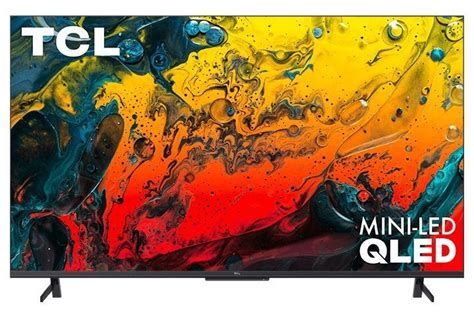
For buyers in 2026, the R646 is compelling if you find it at a discount or are buying used and you prioritize value and longevity over cutting-edge capabilities. If you want future-proofing for 4K/120 gaming or the best possible HDR contrast, look at newer midrange models or entry-level OLEDs instead. In my experience, the R646 has aged gracefully and remains a solid living-room TV, but the gap to newer sets is noticeable enough that your specific priorities should guide the purchase.