5 Hidden Features of the Nisi V7 Filter Kit You Must Know About
Introduction
The NiSi V7 Filter Kit has earned attention among landscape and travel photographers for its build quality and flexible system approach. Beyond the headline specs—solid optical glass, multi-coating, and a modular holder—there are smaller design choices and workflow conveniences that dramatically affect results in the field. This article highlights five often-overlooked features of the NiSi V7 system, explains why they matter in real-world use, and helps potential buyers decide whether the kit is a practical fit for their shooting style.
Detailed Product Review and Analysis
At first glance, the NiSi V7 Filter Kit looks like many modern 100mm (or 100/150mm depending on configuration) square/sandwich filter systems: a holder, a circular polarizer, several filter plates, and a set of step-up rings. What separates well-designed systems from the rest is how those pieces work together under real conditions—on a wide-angle seascape shoot, during a multi-hour sunset session, or while traveling light across uneven terrain.
Rather than repeating standard marketing language, this review focuses on practical performance: optical neutrality, handling, slot ergonomics, stacking behavior, and durability. The five hidden features below are the small engineering and usability decisions NiSi made that influence how quickly a shooter can set up, how often lens vignetting appears, and how straightforward post-processing becomes.
Hidden Feature 1: Optical Neutrality and Low Color Cast by Design
One of the most important but easily overlooked attributes of any filter kit is color neutrality. Inconsistent color casts force extra work in post and can reduce usable dynamic range. The NiSi V7 kit uses multi-coated optical glass and a material selection that aims to minimize color shifts across neutral density (ND) and graduated ND plates.
In real-world use, landscape photographers will notice less midtone color correction required when merging bracketed exposures or blending ND/grad filters with in-camera long exposures. For buyers who frequently shoot warm sunsets or twilight scenes—where subtle color fidelity matters—the reduced cast translates into a cleaner baseline and fewer corrective steps in raw processing.
Hidden Feature 2: Slot Spacing and Rail Geometry That Makes Stacking Predictable
Stacking graduated filters, NDs, and polarizers is common when shooting challenging light. The V7's slot spacing and rail geometry are designed to keep filters parallel and at consistent distances from the lens. That may sound trivial, but misaligned or non-parallel stacked filters introduce unwanted vignetting and edge reflections, especially with wide-angle lenses.
Photographers working with urban skylines or multi-layered seascapes will appreciate the V7’s predictable stacking: once the desired combination is found, the holder preserves alignment and repeatability for bracketed frames. This minimizes retakes and reduces the time spent re-adjusting between exposures.
Hidden Feature 3: Low-Profile Frame to Reduce Vignetting on Wide-Angle Lenses
Many landscape shooters use ultra-wide-angle lenses to emphasize foreground interest. A hidden strength of the V7 is its low-profile frame and careful edge beveling which reduce the physical footprint of the holder in front of the lens. This design minimizes the risk of mechanical vignetting on full-frame wide lenses when using multiple filters.
In practice, this means the photographer can compose with a 16–24mm equivalent lens and still stack a couple of plates without seeing dark corners, a common frustration with bulkier holders. Travel photographers who favor compact, lightweight landscapes will find this particularly valuable.
Hidden Feature 4: Polarizer Integration and Rotation Control
A well-implemented polarizer matters more than many photographers realize. The NiSi V7 kit’s polarizer integrates with the holder so the circular polarizer can rotate smoothly without dislodging other plates. The hidden benefit here is workflow stability: once the polarizer is set for the desired sky saturation or reflection reduction, the rotation mechanism stays put and the rest of the filter stack remains secure.
Discover deals on Cameras & Photography — updated daily.
See Deals →Videographers and still shooters who make small polarizing adjustments between frames (for water reflections, wet rocks, or building windows) will value the tactile, precise feel. The ability to make micro-adjustments without re-seating other filters saves time and preserves composition during changing light conditions.
Hidden Feature 5: Practical Accessory Compatibility and Upgrade Path
Beyond the filters themselves, the NiSi V7 system is designed to play nicely with common accessories—step-up rings, lens hoods, and even some third-party polarizers or adapter rings. This compatibility is a hidden feature because it affects long-term ownership: a kit that locks a photographer into one ecosystem increases replacement costs and reduces flexibility.
Buyers who already own a selection of adapter rings or a favorite circular polarizer can often integrate them into the V7 workflow without buying an entirely new set. The modular approach also makes it easier to upgrade individual elements (for example, moving from a three-stop ND plate to a six-stop ND) without replacing the holder.
Pros & Cons
- Pros
- Strong optical neutrality with reduced color cast in everyday shooting.
- Thoughtful slot spacing and rail geometry for reliable stacking.
- Low-profile frame reduces vignetting on wide lenses.
- Smooth polarizer rotation integrated into the holder.
- Modular compatibility with common accessory ecosystems.
- Cons
- Higher initial cost compared with basic single-piece filters or budget holders.
- Added complexity for photographers who prefer simple screw-on filters.
- Extra weight and bulk compared with clip-on or magnetic solutions when traveling ultralight.
- Some learning curve for new users to fully exploit stacking and alignment benefits.
Comparison Table: NiSi V7 vs Common Alternatives
| Feature | NiSi V7 | Lee (Foundation-style) | Haida / M10-style |
|---|---|---|---|
| Optical Neutrality | Excellent — engineered coatings to reduce color cast | Good — older glass may need tweaks in post | Good to excellent — varies by glass grade |
| Stacking & Slot Design | Predictable slot spacing; designed for stacking | Proven but larger footprint | Compact slot options; some models prioritize thin profile |
| Wide-Angle Vignetting | Low — slim frame and beveling | Higher unless using slim filters | Low to moderate depending on configuration |
| Polarizer Integration | Integrated, smooth rotation control | Typically requires separate CPL or adapter | Often integrated in newer kits |
| Accessory Compatibility | High — adaptable to many step-up/step-down rings | Excellent — long-established ecosystem | Good — newer ecosystem, growing third-party support |
| Ease of Use (Beginners) | Moderate — some setup learning curve | Moderate — familiar workflow for many users | Moderate to easy — depends on model |
Buying Guide: How to Decide If the NiSi V7 Filter Kit Is Right for a Photographer
Choosing a filter kit is less about brand and more about the intended use. The NiSi V7 is a system product; its advantages are most apparent when used as part of a workflow. Below are practical considerations buyers typically care about.
1. What Type of Photography Is the Kit For?
Landscape, seascape, cityscape, and architectural photographers will benefit most from the modular nature of the V7. For those shooting handheld street or portrait work, a screw-on circular polarizer or neutral density made for drop-in use may be more convenient.
2. Lens Compatibility and Vignetting
Width of the lens and the maximum aperture matter. Ultra-wide lenses with deep front elements are most vulnerable to mechanical vignetting. The V7’s low-profile holder helps mitigate this, but buyers should confirm the kit’s compatibility with their widest lens and, if possible, test with their filter/step-up ring configuration.
3. Which Filters Are Included and Which Will Be Added?
Starter kits often include a polarizer, a couple of NDs, and a graduated ND. Photographers should map out typical shooting scenarios—long exposures in waterfalls, sunrises requiring soft grad control, or bright reflective scenes needing powerful polarization—and choose a kit that matches those needs. The modular V7 means individual upgrades are straightforward, but the initial contents still set immediate usability.
4. Workflow and Speed
Time-sensitive work—event sunsets, surf breaks, or changing tide conditions—requires fast setup and repeatable results. The hidden features of the V7 that aid rapid deployment (smooth polarizer control, repeatable slot spacing, and intuitive rail geometry) are valuable here. Buyers who regularly shoot under tight timing constraints should prioritize these ergonomic aspects.
5. Durability and Field Repairs
Filters are fragile. The V7’s build quality and protective case options matter when traveling in remote areas. Consider whether replacement plates are readily available and whether adapter rings are standardized enough to allow on-the-go fixes. Photographers who often work in salty or sandy environments should also look for robust coatings and consider carrying a microfibre cloth and cleaning kit.
Shop the latest Cameras & Photography picks on Amazon.
See Deals →6. Weight, Bulk, and Travel Considerations
For air travel or long hikes, every ounce counts. The V7 is not the lightest option on the market; it trades some compactness for a full-featured, reliable holder system. Travel shooters should balance the need for filter versatility against the cost of extra weight in their packs.
7. Budget and Upgrade Path
While the initial outlay for a modular system can be higher than single-piece filters, the long-term upgrade path is often more economical. Because individual plates, adapter rings, and polarizers can be swapped or upgraded separately, the system can evolve as shooting needs change without purchasing a whole new kit.
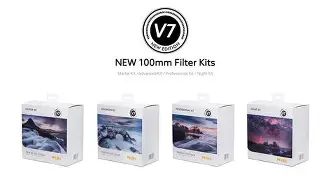
8. Post-Processing Implications
Optically neutral filters simplify post-processing. If a photographer prefers to spend minimal time in Lightroom or Capture One, investing in filters that introduce less color cast and consistent gradient transitions will save hours in editing. The V7’s coatings and glass quality aim to make RAW files easier to work with straight out of the camera.
Real-World Use Cases
Below are scenarios that illustrate where the NiSi V7’s hidden strengths pay dividends.
- Sunset Seascapes: Stacked ND + soft GND to balance sky and foreground while using a polarizer to reduce surface reflections—smooth rotation and slot stability keep composition consistent across multiple exposures.
- Mountain Landscapes: Wide-angle foreground interest with layered clouds: the slim holder reduces vignetting while stacked grads help retain highlight detail.
- Urban Reflections: Eliminating distracting glass reflections from windows while maintaining color fidelity—integrated polarizer control allows subtle adjustments without reshuffling the whole stack.
- Travel Lightweight Setup: Selective use of a single ND and a polarizer with the V7 adapter rings—modularity permits carrying only the plates most likely needed for a trip.
Maintenance and Best Practices
To get the most from the NiSi V7 kit over years of use, a few simple practices help:
- Always carry a padded case or dedicated filter pouch to avoid edge chips and scratches.
- Rinse and dry the holder after shooting in salt spray or dusty environments; abrasive particles accelerate wear on coatings.
- Keep a small set of spare adapter rings for common lens filters to prevent field compatibility problems.
- Practice stacking and polarizer rotation before the shoot so adjustments in the field are fast and predictable.
Conclusion
The NiSi V7 Filter Kit rewards photographers who prioritize optical fidelity, stacking repeatability, and modular flexibility. Its less-obvious features—optical neutrality, careful slot and rail geometry, a low-profile frame that curbs vignetting, integrated polarizer rotation, and broad accessory compatibility—are what make it stand out in everyday use. These design choices reduce friction during setup and editing, which can be as valuable as any spec sheet number.
For landscape and travel photographers who rely on stacked filters to control dynamic range, reflections, and long exposures, the V7 is a capable system that balances performance and adaptability. Photographers who want the fastest possible setup or the lightest travel kit might still prefer simpler solutions, but for those who want a thoughtful, upgradeable filter system that performs consistently across varied conditions, the NiSi V7 is worth serious consideration.